
Dehydration in older adults is a common but often overlooked health concern that can lead to serious complications when not addressed early. As people age, the body naturally becomes less efficient at conserving water and recognizing thirst. This reduced sense of thirst means many seniors may not feel the need to drink fluids until dehydration has already begun, increasing the risk of health complications.
“At Sandhill Cove, residents enjoy a supportive environment where wellness, comfort, and healthy hydration are encouraged through caring connections and thoughtful daily support.”
Signs of Dehydration in Seniors
Because the body’s fluid levels naturally decrease with age, even mild dehydration can noticeably affect energy levels, balance, and cognitive function. Body fluid refers to the water in the body that supports essential functions such as temperature regulation, nutrient delivery, waste removal, and brain and muscle activity. Body fluid levels describe the overall amount and balance of this water, which the body normally regulates through drinking, eating, and fluid loss through sweat and other natural processes.
In older adults, this balance becomes more fragile due to a reduced sense of thirst and medication-related fluid loss. Symptoms often develop gradually, making dehydration easy to miss. Over time, low body fluid levels—meaning the body does not have enough water to function properly—can significantly impact health, independence, and daily functioning.
The signs of dehydration in seniors are often subtle in the beginning but become more noticeable as fluid loss increases. While symptoms can vary, several common warning signs should prompt attention.
Early warning signs include:
- Fatigue or unusual tiredness
- Dizziness or lightheadedness
- Dry mouth, dry lips, or dry skin
- Headaches or difficulty concentrating
- Reduced urination or darker urine
- Sudden drops in energy or alertness
Dehydration can also affect mental clarity. Confusion or changes in alertness may be especially concerning for individuals living with dementia, where symptoms can sometimes be mistaken for cognitive decline rather than hydration-related changes.
This is where a retirement community has additional advantages. Sandhill Cove staff members are trained to notice subtle shifts in residents’ energy, appetite, or engagement, helping identify hydration concerns early before they become more serious.
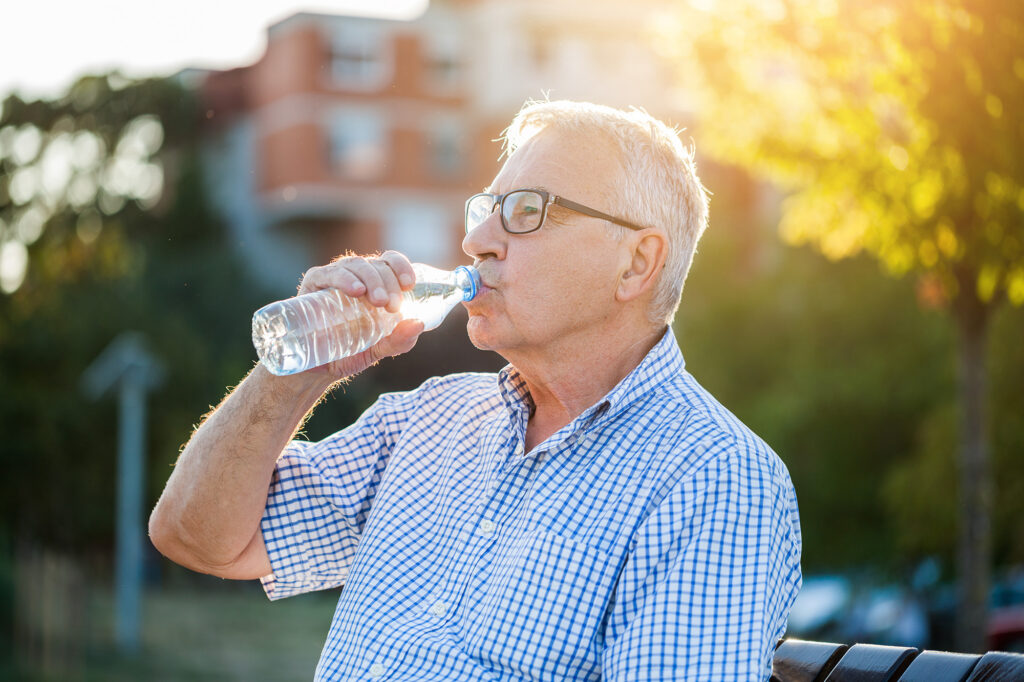
Common Causes of Dehydration for Older Adults
There are several common causes of dehydration for older adults, many tied to natural aging and health conditions.
Key risk factors include:
- A decreased sense of thirst with age
- Medications such as diuretics and blood pressure prescriptions
- Cognitive conditions like dementia affecting hydration awareness
- Avoiding fluids due to fear of frequent bathroom trips
- Illness, fever, or infection increasing fluid loss
- Lifestyle habits such as higher coffee or alcohol intake
Seasonal Risks: Why Summer Increases Dehydration Danger
Hot and humid weather significantly increases dehydration risk for older adults. As temperatures rise, the body loses more water through sweating, while the natural thirst response may not keep up.
Seasonal risks include:
- Increased fluid loss through sweating
- Higher risk of heat stroke in extreme temperatures
- Outdoor activities leading to unnoticed dehydration
- Social events distracting from regular fluid intake
- Greater sensitivity to heat and humidity
Even everyday activities like walking or gardening can contribute to fluid loss. Without consistent hydration, symptoms can appear quickly and escalate.
Health Complications Linked to Dehydration
When dehydration is not addressed, it can lead to serious health concerns that affect both physical and cognitive well-being. Even mild dehydration can place stress on the body and increase the risk of complications.
Potential health issues include:
- Kidney problems and reduced kidney function
- Increased risk of urinary tract infections
- Dizziness that can lead to falls and injuries
- Worsening confusion or cognitive decline
- Heat-related illness or heatstroke
- Hospitalization in severe cases
Because dehydration-related dizziness can increase fall risk, maintaining consistent hydration is an important part of supporting overall health and safety. Ongoing wellness support and early awareness can help reduce these risks before they become more serious.
Tips to Prevent Dehydration in Seniors
Preventing dehydration is often about consistency rather than volume. Staying hydrated helps support overall body function, including energy, circulation, and temperature regulation. Small daily habits can make a meaningful difference in maintaining healthy hydration and avoiding a decline in total body fluid that can lead to dehydration.
Helpful strategies include:
- Drink water regularly, even without feeling thirsty
- Aim for consistent glasses of water spread across the day rather than large amounts at once
- Keep beverages visible and within easy reach as a reminder to stay hydrated
- Include hydrating foods such as fruits, vegetables, and soups
- Add variety with fruit juices in moderation as part of daily fluid intake
- Keep hydration top of mind by drinking water during meals, activities like yoga, or social gatherings
- Limit excessive coffee and alcohol intake, which can increase fluid loss
- Pay attention to medication side effects that may increase dehydration risk
Supporting Hydration and Wellness in a Senior Living Environment
A structured environment plays an important role in preventing dehydration in seniors. When meals, activities, and care routines are coordinated, hydration becomes part of the natural rhythm of the day.
Supportive features available at Sandhill Cove include:
- Reliable access to beverages
- Nutritious meals that support fluid intake
- Social dining and activities that encourage hydration
- Reduced stress around daily responsibilities
- Consistent wellness awareness and support
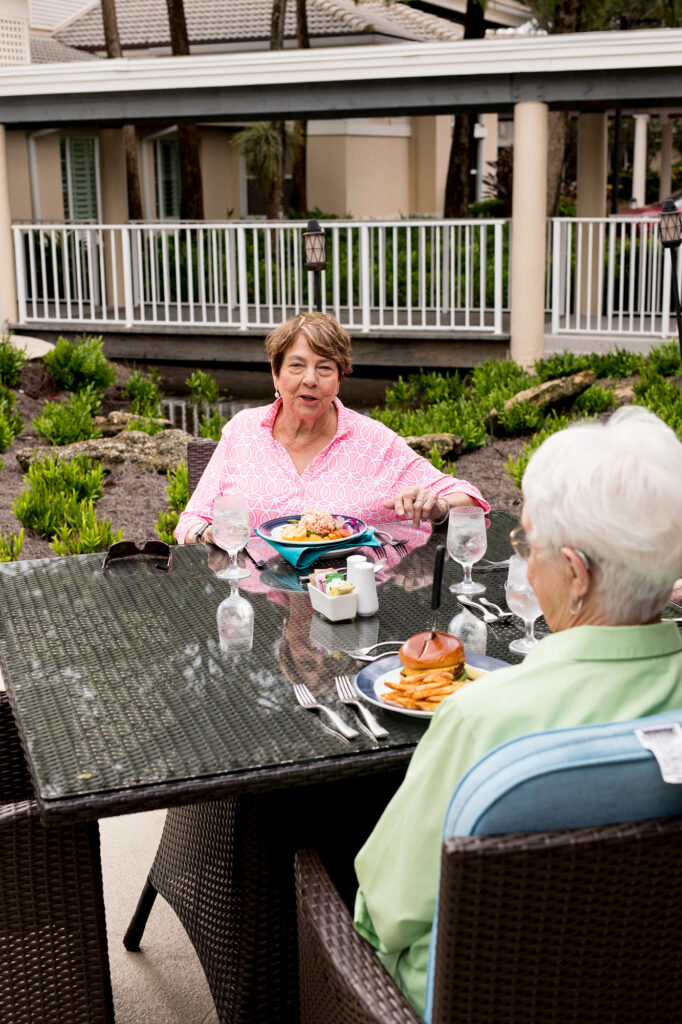
Experience Supportive, Wellness-Focused Living at Sandhill Cove
Dehydration in seniors is highly preventable with the right awareness, habits, and support systems in place. When hydration is consistently encouraged, seniors are better able to maintain energy, clarity, and overall well-being.
At Sandhill Cove, residents benefit from a lifestyle guided by the seven dimensions of wellness, supporting whole-person well-being in a balanced and intentional way. The seven dimensions include:
- Physical wellness through nutritious dining, hydration support, and movement
- Emotional wellness through a caring, attentive environment
- Social wellness through meaningful connections and engaging activities
- Intellectual wellness through learning and stimulating experiences
- Spiritual wellness through reflection and personal meaning
- Environmental wellness through comfortable, well-maintained surroundings
- Occupational wellness through purpose, independence, and daily engagement
If you are exploring a retirement community where wellness is built into daily life, contact Sandhill Cove to schedule a visit and experience the lifestyle firsthand.